
Shopping Cart
There are no more items in your cart
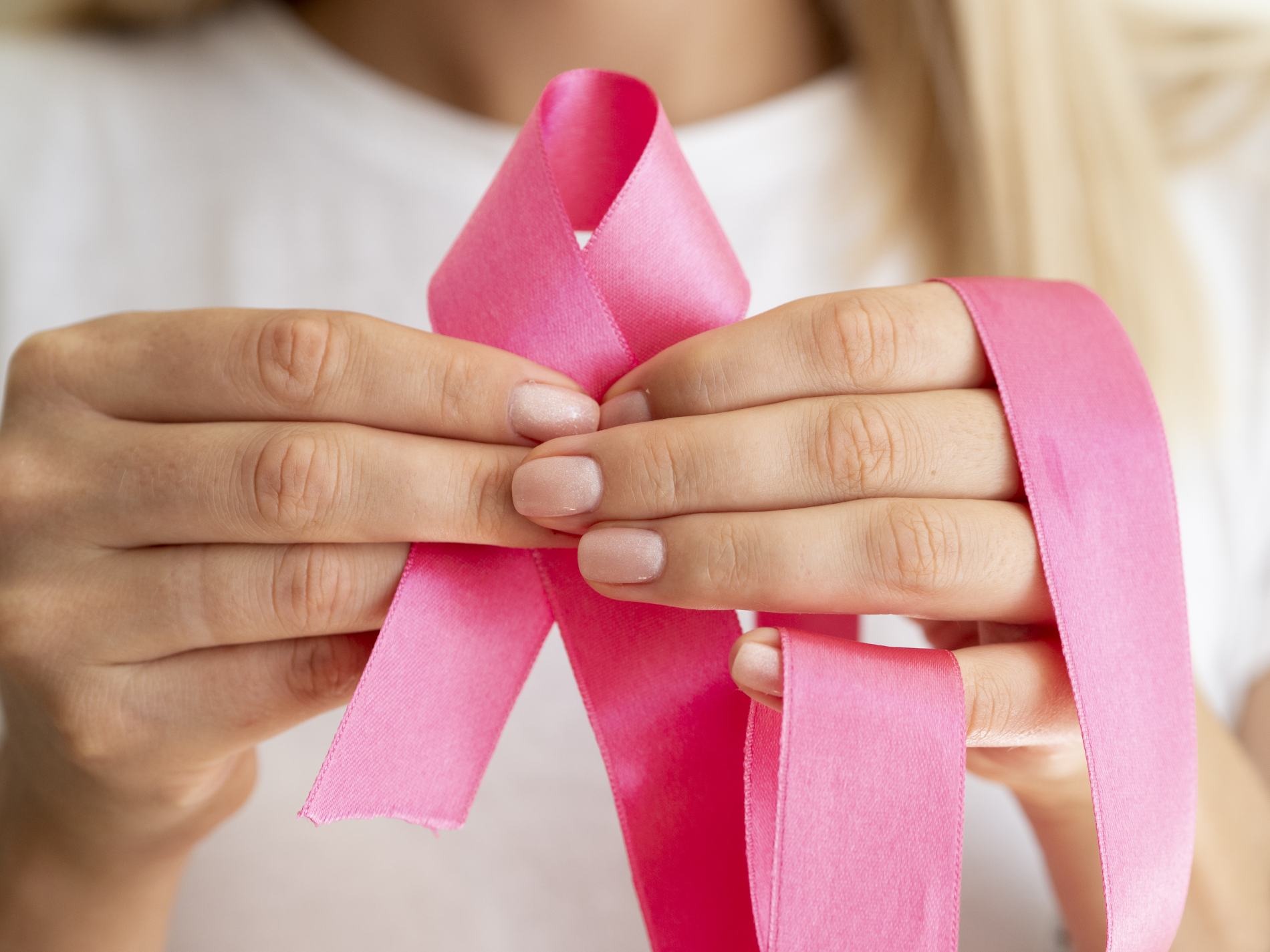
October has become the international month for breast cancer awareness, a disease that affects millions of women worldwide and, sadly, remains the leading cause of cancer death in the female population. During these thirty-one days, health institutions, patient associations, pharmacies, and public bodies dress in pink to remind us of the importance of prevention, early detection, and support for those fighting the disease.
The goal of this month is not only to pay tribute to the women who have faced breast cancer but also to educate the population about the measures that can be taken to reduce the risk. Information is power, and having the tools to recognise early symptoms, attend regular check-ups, and adopt healthy habits can make the difference between an early diagnosis and more complex treatment.
In Spain, over 34,000 new cases of breast cancer are diagnosed each year, according to the Spanish Society of Medical Oncology (SEOM). Despite these figures, the good news is that the survival rate has increased significantly thanks to medical advances and awareness about early detection. That's why October is not just a symbolic month, but a reminder that caring for our health must be a daily priority.
WHAT IS BREAST CANCER?
Breast cancer originates when cells in the breast begin to grow uncontrollably, forming a tumour that can be malignant. Although most cases occur in women, it can also affect men, albeit to a lesser extent.
There are different types of breast cancer, some more aggressive than others, making a correct and timely diagnosis essential. Risk factors include both those we cannot modify, such as age, family history, or genetics, and those that are within our control, such as lifestyle, diet, and physical activity.
The most frequent symptoms include the appearance of a lump in the breast, changes in the shape or size of the breast, abnormal nipple discharge, skin dimpling, or redness in the area. However, breast cancer often presents no obvious signs in its early stages, which reinforces the need for regular check-ups and self-examinations.
PREVENTION IS KEY
Although there is no magic formula to prevent breast cancer, there are preventive measures that can significantly reduce the risk of developing it. The key lies in adopting healthy habits and maintaining a balanced lifestyle.
One of the fundamental pillars is diet. A diet rich in fruits, vegetables, legumes, and whole grains, combined with low consumption of saturated fats and sugars, contributes to the proper functioning of the body and strengthens the immune system. Similarly, regular physical exercise not only helps maintain a healthy weight but also improves circulation, reduces inflammation, and decreases estrogen levels, which can lower the risk of developing breast cancer.
Avoiding excessive alcohol consumption and quitting smoking are other important measures. Both substances are directly linked to an increased risk of cancer and other chronic diseases. Furthermore, maintaining a healthy weight, especially after menopause, is a determining factor, as excess body fat can increase estrogen production and promote the development of cancer cells.
In short, prevention is not a sacrifice, but an investment in health. Small changes in your daily routine can make a big difference in the long run.
EARLY DETECTION: THE MOST POWERFUL TOOL
Early detection of breast cancer significantly increases the chances of successful treatment. Therefore, awareness campaigns emphasise the importance of breast self-examination and regular medical check-ups.
Self-examination is a simple practice that any woman can perform at home in front of a mirror or during a shower. It is recommended to do it once a month, preferably after menstruation, to detect possible changes in the texture, shape, or sensitivity of the breast. Although it does not replace a medical check-up, it can serve as an early warning to see a specialist.
Mammograms are the most effective test for detecting breast cancer in its early stages, even before visible symptoms appear. In general, it is advised that women from the age of 40 start having mammograms every one to two years, although in some cases, such as a family history of cancer, it may be advisable to start earlier and more frequently.
Early detection not only saves lives but can also avoid more invasive treatments. Therefore, losing the fear of check-ups and prioritising your health is an act of self-love.
THE ROLE OF THE PHARMACY IN PREVENTION AND SUPPORT
Your trusted pharmacy, like Farmacia Golf del Sur in Santa Cruz de Tenerife, plays a fundamental role in prevention and supporting people affected by breast cancer. Pharmacists are accessible, approachable professionals who can offer personalised guidance on healthy habits, suitable supplements, and support products during treatments.
Furthermore, pharmacies are a trusted space where people can find not only medicines but also emotional support and practical advice for coping with the process. From creams for skincare during chemotherapy to wigs and turbans that help restore self-esteem, the pharmacy becomes a close ally on the road to recovery.
The added value of having a trusted pharmacy lies in its proximity and its ability to provide continuous support, something that makes a huge difference when it comes to health and emotional well-being. Farmacia Golf del Sur not only offers products but also listening, guidance, and real support for those who need it most.
HEALTHY LIFESTYLE HABITS AND THEIR IMPACT ON BREAST HEALTH
Leading a healthy life not only contributes to general well-being but can also be a protective factor against breast cancer. Every action we take daily influences our body, and that's why it is essential to understand how small changes can have significant results.
Diet is an essential pillar. A Mediterranean diet, rich in fruits, vegetables, oily fish, nuts, and olive oil, has been shown to have a beneficial effect in reducing chronic diseases, including cancer. These foods provide antioxidants, vitamins, and healthy fats that help combat inflammation and strengthen the immune system.
Physical exercise is also key. Performing at least 150 minutes of moderate activity per week, such as walking, swimming, or practising yoga, can reduce the risk of breast cancer by up to 30%. This is because exercise regulates hormone levels, promotes weight control, and reduces insulin resistance.
Sleeping well and reducing stress are other important aspects. Insomnia and chronic stress affect hormonal balance and the immune system, which can weaken the body. Dedicating time to relaxation, practising techniques like meditation or mindfulness, and respecting rest hours are simple but very effective habits.
In summary, maintaining a healthy routine does not mean living with restrictions, but enjoying life with more energy, fewer illnesses, and a greater capacity for prevention against risks like breast cancer.
THE IMPORTANCE OF EMOTIONAL SUPPORT
Breast cancer is not just a physical disease: it also deeply impacts the emotional state of patients and their families. Receiving a diagnosis can generate fear, anxiety, and feelings of uncertainty, which is why psychological and emotional support is fundamental at all stages of the disease.
Family and friends play an essential role, offering companionship, active listening, and practical support in daily tasks. However, it is also advisable to seek help from specialised psychologists, support groups, or patient associations, where sharing experiences with people going through similar situations can be very healing.
In this sense, pharmacies can also contribute, not only from a medical standpoint but also emotionally. A close and trusted pharmacist, like those at Farmacia Golf del Sur, understands the importance of listening, advising, and accompanying with empathy. Often, a brief conversation at the pharmacy can alleviate worries and provide reassurance to those in need.
Caring for the mind is as important as caring for the body. A comprehensive approach that considers both dimensions promotes a better quality of life and, in many cases, also improves the response to medical treatment.
COMMUNITY PHARMACY: PREVENTION AND HEALTH EDUCATION
The community pharmacy is a fundamental link in the chain of prevention and health education. As the closest and most accessible health point for the population, pharmacists have the opportunity to promote awareness campaigns, advise on healthy habits, and guide people in the preventive care of diseases like breast cancer.
During the month of October, many pharmacies in Spain, including Farmacia Golf del Sur in Santa Cruz de Tenerife, actively participate in disseminating information about breast self-examination, the importance of attending regular check-ups, and the need to adopt a healthy lifestyle. Additionally, they can recommend products that support general health, such as vitamin supplements, antioxidants, or herbal medicine that contribute to hormonal balance and physical well-being.
The educational role of the pharmacist goes beyond dispensing medicines. Thanks to their scientific knowledge and approachability, they become trusted agents who can clarify doubts, offer preventive guidance, and refer to other health professionals when necessary. In a world where information is abundant but not always reliable, having the guidance of a pharmacist is a guarantee of safety and reliability.
MEDICAL ADVANCES IN THE FIGHT AGAINST BREAST CANCER
Medical research has enabled current breast cancer survival rates to be much higher than they were a few decades ago. Progress in personalised treatments, targeted therapies, and diagnostic techniques has revolutionised the way this disease is addressed.
One of the greatest advances has been precision medicine, which allows treatment to be tailored according to the genetic and molecular characteristics of each patient's tumour. This means that not all cases are treated in the same way, which increases the effectiveness of treatments and reduces side effects.
Immunotherapies, which stimulate the body's own immune system to attack cancer cells, also represent a major step forward. Furthermore, advances in digital mammography, magnetic resonance imaging, and liquid biopsies allow cancer to be detected at earlier stages and with greater accuracy.
These medical achievements would not have been possible without social awareness and research funding, much of which is raised in campaigns like those run in October. Every pink ribbon worn and every donation made contributes to scientific progress and enables more women to overcome this disease successfully.
FARMACIA GOLF DEL SUR: YOUR TRUSTED PHARMACY IN SANTA CRUZ DE TENERIFE
In the realm of health, trust is an invaluable asset. Farmacia Golf del Sur, located in Santa Cruz de Tenerife, is not just a place to acquire medicines, but also a space for support and prevention. Its commitment to the community is reflected in its closeness to each patient and its dedication to offering a comprehensive service that goes far beyond the strictly pharmaceutical.
During the breast cancer awareness month, Farmacia Golf del Sur joins the cause with informational campaigns, practical advice, and direct support for those who wish to improve their well-being. The team of pharmacists offers guidance on supplements, healthy lifestyle habits, care products during treatments, and emotional support, tailoring each recommendation to the individual needs of each person.
Choosing a trusted pharmacy means always having someone by your side who understands your concerns and is willing to help you. In Santa Cruz de Tenerife, Farmacia Golf del Sur has become that close ally that bets on prevention, health education, and the integral care of its patients' health.
HOW TO DETECT EARLY SIGNS AND ACT IN TIME
When detected in its early stages, breast cancer has a very high cure rate. Therefore, learning to recognise early signs and knowing how to act can make the difference between a less invasive treatment and a much more complex one.
The most common warning signs include the presence of a lump in the breast or armpit, changes in the size or shape of the breast, nipple retraction, abnormal discharge (with or without blood), skin redness, or the appearance of dimples on the surface. Although these changes do not always mean cancer, they are sufficient reason to immediately consult a health professional.
Breast self-examination remains a fundamental resource. Performing it once a month allows you to become familiar with the usual shape and texture of your breasts, thus facilitating the detection of any changes. The ideal is to do it in front of a mirror and in different positions: standing, with arms raised, in the shower, or lying down.
However, self-examination does not replace medical check-ups. Mammograms and ultrasounds are complementary tools that can identify non-palpable lesions. The general recommendation is to start periodic screenings from the age of 40, or earlier in case of direct family history.
The key is to lose the fear. Many women delay visiting the doctor for fear of a diagnosis, but the earlier it is detected, the greater the chances of overcoming it with less aggressive treatments. Acting quickly saves lives.
NUTRITION AND BREAST CANCER: FOODS THAT HELP
Diet not only influences the prevention of breast cancer but also the quality of life during and after treatment. Adopting a proper diet can strengthen the immune system, reduce inflammation, and improve overall well-being.
Among the most recommended foods are:
- Brightly coloured fruits and vegetables (broccoli, spinach, carrots, blueberries, pomegranates): provide antioxidants and phytochemicals that fight cellular damage.
- Legumes and whole grains: rich in fibre, they help regulate hormone levels and improve digestion.
- Oily fish (salmon, sardines, mackerel): a source of omega-3 fatty acids that reduce inflammation.
- Nuts and seeds (almonds, walnuts, flaxseed, chia): provide healthy fats and essential minerals.
- Extra virgin olive oil: the cornerstone of the Mediterranean diet, with protective effects on cardiovascular and cellular health.
In contrast, it is advisable to limit the consumption of processed meats, ultra-processed foods, added sugars, and saturated fats, as they can promote inflammatory processes and hormonal imbalances.
During oncological treatments, nutrition becomes even more important. Some side effects, such as loss of appetite, nausea, or changes in taste, can make adequate nutrition difficult. In these cases, advice from a nutritionist or support from the pharmacy can be very helpful, recommending supplements or specific products that provide the necessary nutrients.
Eating well does not mean restricting yourself, but choosing foods that nourish, strengthen, and provide energy to face each stage with more vitality.
PHYSICAL ACTIVITY: AN ALLY AGAINST BREAST CANCER
Movement is medicine. Regular exercise not only helps prevent breast cancer but also improves the quality of life in diagnosed patients and reduces the chances of recurrence.
Various studies have shown that practising at least 30 minutes of moderate physical activity most days of the week can reduce the risk of developing breast cancer by up to 20-30%. This is because exercise regulates hormones, improves immune function, and helps control body weight.
The most recommended activities include walking, swimming, cycling, dancing, or practising yoga. Strength training, with weights or resistance exercises, is also beneficial because it strengthens muscles, improves bone density, and helps maintain an active metabolism.
For women undergoing treatment, exercise should be adapted to each situation. Gentle activities like Pilates, stretching, or short walks are very useful for combating fatigue and improving mood. Furthermore, physical activity releases endorphins, known as "happiness hormones," which help reduce stress and anxiety.
The important thing is to maintain consistency. It's not about training intensely, but about integrating movement as part of the daily routine. Even small changes, like taking the stairs instead of the lift or walking while shopping, add benefits for breast and general health.
THE ROLE OF REGULAR CHECK-UPS IN PREVENTION
Attending regular medical check-ups is one of the most effective measures to reduce mortality from breast cancer. Although they may sometimes seem unnecessary, preventive tests allow lesions to be detected at very early stages, even before symptoms appear.
Mammography remains the reference technique for early detection. It is quick, safe, and can identify tumours too small to be felt. In women aged between 40 and 69, it is recommended to have a mammogram every one to two years, depending on medical assessment.
In addition to mammography, breast ultrasounds and magnetic resonance imaging can be used in specific cases, such as in women with dense breast tissue or high genetic risk. These complementary tests offer greater accuracy in detecting abnormalities.
We must not forget the importance of complete gynaecological check-ups. During these consultations, the health professional can perform physical examinations, request additional tests, and advise on preventive habits.
In short, regular check-ups should not be seen as a nuisance, but as an opportunity to ensure everything is alright. One hour of consultation can save years of life.
HOW YOUR PHARMACY CAN SUPPORT YOU IN PREVENTION AND CARE
The pharmacy is often the first place we turn to with a health concern. And in the case of breast cancer, its role is more relevant than we often think.
At Farmacia Golf del Sur, for example, support is based on three pillars: prevention, advice, and closeness. Pharmacists not only dispense medicines but also advise on healthy habits, recommend care products, and offer guidance on supplements that can contribute to overall well-being.
Among the most notable services your pharmacy can offer are:
- Information on breast self-examination and reminders for medical check-ups.
- Recommendation of supplements with antioxidants, vitamins, and minerals that promote cellular health.
- Dermocosmetic products for skincare during oncology treatments.
- Emotional support and active listening, creating a space of trust.
The differential value of a trusted pharmacy, like Farmacia Golf del Sur in Santa Cruz de Tenerife, is its closeness. It's not just about selling, but about accompanying and being available to resolve doubts, reassure, and guide each person on their path towards prevention and comprehensive care.
THE VALUE OF RESEARCH AND INNOVATION IN ONCOLOGY
Science is the engine that drives hope in the face of breast cancer. Thanks to research and innovation in the field of oncology, we can now talk about increasingly higher survival rates and more personalised and effective treatments.
Advances in genomics and molecular biology have allowed the identification of specific genetic mutations, such as BRCA1 and BRCA2, which increase the risk of breast cancer. This information is key because it facilitates early detection in women with a hereditary predisposition and opens the door to more effective preventive strategies.
Likewise, personalised medicine has become one of the greatest revolutions. Instead of applying the same treatment to all patients, targeted therapies are now designed according to the molecular characteristics of the tumour. This improves treatment efficacy, reduces side effects, and offers better long-term outcomes.
Another major advance is immunotherapy, which stimulates the body's own immune system to recognise and attack cancer cells. These therapies are already used in some types of breast cancer and continue to evolve thanks to clinical trials.
Research is not limited to the hospital setting. Pharmacies, associations, and foundations also actively collaborate in fundraising and awareness campaigns, contributing to funding projects that transform lives. Investing in science is investing in health and the future.
INSPIRING STORIES: WOMEN WHO BEAT BREAST CANCER
Beyond the statistics and medical advances, it is the personal stories that truly touch the heart and motivate us to keep fighting. Every year, thousands of women overcome breast cancer thanks to early detection, innovative treatments, and, above all, their courage and resilience.
Tales of women who received an unexpected diagnosis, went through difficult treatments, and now enjoy a full life remind us that cancer is not synonymous with defeat. These experiences convey a powerful message: with support, prevention, and proper treatment, it is possible to beat the disease.
Many of them highlight the importance of emotional support from their environment, as well as the role of health professionals, including pharmacists, who were by their side at every stage. They also emphasise how small gestures, like a word of encouragement at the pharmacy or a supportive word from a stranger, made a difference in the most difficult moments.
Sharing testimonies not only raises awareness of the disease but also inspires other women to get check-ups, take care of their health, and not lose hope. Because behind every pink ribbon, there is a story of struggle, overcoming, and life.
HOW TO GET INVOLVED DURING AWARENESS MONTH
October is a month to reflect, act, and support the breast cancer cause. And there are many ways to get involved, even with small gestures that can generate a great impact.
Some ideas for participation are:
- Wearing the pink ribbon as a symbol of support and awareness.
- Sharing information on social media about prevention and early detection.
- Attending medical check-ups and encouraging friends and family to do the same.
- Collaborating with associations and foundations that fund research projects.
- Participating in solidarity walks or sporting events aimed at raising funds.
- Visiting your trusted pharmacy, like Farmacia Golf del Sur, to obtain information and practical advice.
Every action counts. The union of society is what enables research to advance and allows more people to receive an early diagnosis and effective treatment. October is the ideal time to remember that we can all be part of the change.
CONCLUSION: PREVENTION AND CLOSENESS SAVE LIVES
Breast cancer is a reality that affects millions of women, but it is also a disease against which we have very powerful weapons: prevention, early detection, and comprehensive support. October, the awareness month, is a reminder that caring for our health cannot wait, and that acting in time can make the difference between life and death.
Your trusted pharmacy, like Farmacia Golf del Sur in Santa Cruz de Tenerife, is by your side to accompany you on this journey, offering not only medicines but also guidance, listening, and closeness. Because health is not only about treating illnesses but also about preventing them and building lasting well-being.
Taking care of yourself is an act of self-love. And doing it today is the best gift you can give yourself for tomorrow.
FREQUENTLY ASKED QUESTIONS (FAQS)
- At what age should I start having mammograms?
Generally, it is recommended from the age of 40, although in women with a family history it may be earlier. - Does breast cancer only affect women?
No. Although it is much less frequent, men can also suffer from it. - Can I completely prevent breast cancer?
There is no total prevention, but leading a healthy lifestyle and attending check-ups significantly reduces the risk. - What role does the pharmacy play in prevention?
The pharmacy offers guidance, support products, advice on healthy habits, and closeness to accompany each patient. - Does exercise really help in preventing breast cancer?
Yes. Studies show that regular physical activity can reduce the risk by up to 30%.