How to Choose the Right Sunscreen for Your Skin Type: The Ultimate Guide to Protecting Your Skin All Year Round
Choosing a sunscreen may seem like a simple task. However, once you walk into a pharmacy or skincare store, you'll find dozens of different options: SPF 30 or 50+, lightweight fluids, rich creams, tinted sunscreens, oil-free formulas, mineral filters, water-resistant products, sunscreens for sensitive skin, anti-ageing protection, anti-dark spot formulas… With so many choices available, many people simply pick the first one they see or keep using the same product for years, even if it is no longer the best option for their skin.
The truth is that there is no single sunscreen that is perfect for everyone. The best choice depends on your skin type, lifestyle, the time of year and even whether you are undergoing dermatological treatments. Choosing a sunscreen that suits your skin not only provides better protection but also makes it much more comfortable to use every day, which is the key to consistent sun protection.
In a place like Tenerife, where ultraviolet radiation remains high throughout most of the year, sunscreen is no longer just a beach essential. It should become part of your daily skincare routine. Even during winter or on cloudy days, UV radiation continues to reach the skin, causing cumulative damage that may eventually lead to wrinkles, loss of firmness, pigmentation, premature ageing and an increased risk of skin disorders.
In this guide prepared by the team at Farmacia Golf del Sur, we'll explain how to choose the most suitable sunscreen for your skin type, the differences between the various types of sun protection available, and the most common mistakes to avoid in order to keep your skin healthy throughout the year.
Why Is It So Important to Wear Sunscreen Every Day?
For many years, sunscreen was associated exclusively with summer holidays. Today, we know that this couldn't be further from the truth. Most visible signs of skin ageing are not caused by age itself but by the cumulative effects of sun exposure over the years.
Every time we walk outdoors, drive, exercise outside or simply enjoy a coffee on a sunny terrace, our skin is exposed to ultraviolet radiation. The damage is often invisible at first but gradually builds up over time before becoming noticeable years later.
Daily sun protection helps prevent:
- Sunspots and pigmentation.
- Premature skin ageing.
- Loss of firmness and elasticity.
- Dehydration caused by sun exposure.
- Worsening of skin conditions such as rosacea or melasma.
- Sunburn.
- Long-term cellular damage associated with certain types of skin cancer.
Furthermore, if you use skincare products containing vitamin C, retinol, glycolic acid or depigmenting ingredients, applying sunscreen every day is essential to maximise their effectiveness.
What Does SPF Actually Mean?
One of the most common questions concerns the famous SPF, or Sun Protection Factor. Many people believe that the higher the SPF number, the longer they can stay in the sun without worrying. In reality, SPF measures protection against UVB radiation, which is mainly responsible for sunburn.
Although sunscreens are available in SPF 15, SPF 30 and SPF 50+, for everyday use — especially in the Canary Islands — dermatologists generally recommend choosing SPF 50 or SPF 50+ to achieve very high protection.
However, SPF alone isn't enough. A quality sunscreen should also provide:
- Broad-spectrum UVA protection.
- UVB protection.
- Excellent photostability.
- Water and sweat resistance whenever needed.
Many modern sunscreens also include antioxidant technologies that help minimise oxidative stress caused by UV exposure.
Texture Matters More Than You Think
One of the main reasons why people stop wearing sunscreen daily is simply because they don't enjoy the texture. If a sunscreen feels greasy, leaves a white residue or makes the skin sticky, it's likely to end up forgotten in a bathroom cabinet.
Fortunately, dermatological skincare has evolved enormously over recent years, and today's sunscreens are available in formulas designed to suit almost every preference.
Nowadays you can choose from:
- Ultra-light fluids.
- Fast-absorbing gels.
- Nourishing creams.
- Invisible mists.
- Sun protection sticks for sensitive areas.
- Tinted sunscreens.
- Mattifying formulas.
Finding a texture that feels comfortable is often the key to making sunscreen part of your everyday skincare routine.
The Best Sunscreen for Oily or Acne-Prone Skin
Many people with oily skin avoid sunscreen because they fear it will make their skin shinier or trigger breakouts. Fortunately, modern sunscreens are very different from the heavy formulas available years ago.
Today's products can actually help improve the appearance of oily skin throughout the day.
If your skin is oily or acne-prone, look for products labelled as:
- Oil Free.
- Non-comedogenic.
- Mattifying.
- Lightweight fluid texture.
- Sebum regulating.
Ingredients such as niacinamide and sebum-regulating actives can also help control excess shine while maintaining healthy skin.
At Farmacia Golf del Sur, these lightweight formulas are among the most frequently recommended options for people looking for high protection without compromising comfort.
What If You Have Dry Skin?
Dry skin has very different needs. In addition to protecting against UV radiation, it requires ingredients that help retain moisture and reinforce the skin barrier.
For this reason, richer sunscreen formulas containing hydrating and repairing ingredients are usually the best choice.
Some of the most beneficial ingredients include:
- Hyaluronic Acid.
- Ceramides.
- Glycerin.
- Squalane.
- Panthenol.
These ingredients help strengthen the skin barrier while providing additional hydration, making them particularly beneficial during summer or after prolonged sun exposure.
Cream textures generally provide greater comfort for dry or dehydrated skin.
Sunscreen for Sensitive Skin or Rosacea
Sensitive skin requires extra care. Heat, wind and UV exposure can easily trigger redness, irritation or a burning sensation.
For this reason, it's advisable to choose sunscreens specifically formulated for reactive skin.
Look for products that are:
- Fragrance-free.
- Dermatologically tested.
- Suitable for sensitive skin.
- Formulated with soothing ingredients.
If you suffer from rosacea, dermatitis or any other skin condition, it's always advisable to seek personalised advice from your pharmacist or dermatologist before choosing the most suitable sunscreen.
Which Sunscreen Is Best for Pigmentation and Dark Spots?
People with melasma or a tendency to develop pigmentation need to pay particular attention to sun protection. In these cases, sunscreen is not simply part of the skincare routine—it is an essential part of the treatment itself.
Even after successfully reducing pigmentation with cosmetic or medical treatments, insufficient sun protection can quickly cause dark spots to reappear.
For this reason, dermatologists generally recommend broad-spectrum SPF 50+ sunscreens that provide very high protection and help minimise the effects of UV radiation responsible for pigmentation.
Are Mineral Sunscreens Better?
One of the questions we hear most often in our pharmacy is whether mineral sunscreens are better than chemical sunscreens. The answer is that both offer excellent protection when used correctly, although each has different characteristics and may be better suited to different skin types.
Mineral sunscreens, also known as physical filters, work by reflecting part of the sun's radiation away from the skin. They are often recommended for very sensitive or reactive skin, as well as after certain dermatological treatments. Traditionally, they tended to leave a slight white cast, but modern formulations have improved significantly and are now much more cosmetically elegant.
Chemical sunscreens, on the other hand, absorb UV radiation before it can damage the skin. They generally offer lighter textures and an invisible finish, making them one of the most popular choices for everyday use. Many leading skincare brands now combine both mineral and chemical filters to achieve excellent protection while maintaining a lightweight feel.
Rather than focusing solely on the type of filter, the most important thing is to choose a sunscreen that suits your skin and that you will enjoy wearing every day.
How Much Sunscreen Should You Apply?
Even the best sunscreen won't provide adequate protection if you don't apply enough. In fact, insufficient application is one of the most common mistakes people make, meaning they receive far less protection than the SPF stated on the packaging.
For the face, dermatologists commonly recommend the two-finger rule: apply one line of sunscreen along your index finger and another along your middle finger. This amount is generally sufficient to protect the face and neck.
The same principle applies to the body. Applying a small amount only to your arms and legs is not enough. Sunscreen should be spread evenly over every exposed area of skin.
Ideally, sunscreen should be applied around twenty minutes before going outdoors to allow an even protective layer to form.
How Often Should You Reapply Sunscreen?
Another common misconception is that applying sunscreen once in the morning is enough.
In reality, sweat, swimming, towel drying and simply the passing of time gradually reduce the effectiveness of sunscreen. If you are spending time outdoors, experts recommend reapplying approximately every two hours.
You should also reapply sunscreen:
- After swimming.
- After drying yourself with a towel.
- After intense physical activity.
- Whenever you spend several hours outdoors.
For everyday routines, especially if you work indoors, one morning application is often sufficient. However, if you return outdoors later in the day, reapplication is highly recommended.
Common Sunscreen Mistakes
Most problems associated with sun protection are not caused by choosing the wrong product, but by using it incorrectly.
Only Applying Sunscreen at the Beach
Ultraviolet radiation is present all year round. Walking outdoors, driving or exercising outside all contribute to cumulative sun exposure.
Forgetting Important Areas
The ears, neck, chest, hands, feet and scalp are often overlooked, despite being some of the areas where sun damage appears first.
Applying Sunscreen Only After Going Outside
It's always better to apply sunscreen before leaving home to ensure even coverage.
Believing Makeup Replaces Sunscreen
Although some foundations and BB creams contain SPF, the amount normally applied is far too small to provide the level of protection indicated on the packaging.
Skipping Sunscreen on Cloudy Days
Cloud cover reduces heat, but not ultraviolet radiation. Even on overcast days, your skin still needs protection.
Which Sunscreens Do We Recommend at Farmacia Golf del Sur?
At Farmacia Golf del Sur, we work with leading dermatological skincare brands to recommend the most suitable sun protection for every skin type.
Some of our most popular recommendations include:
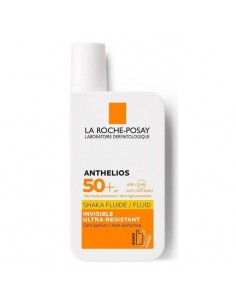
- La Roche-Posay Anthelios, ideal for those looking for very high protection combined with lightweight, comfortable textures.
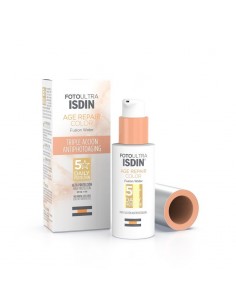
- ISDIN Sunscreens, offering a wide range of products suitable for different lifestyles and skin concerns.
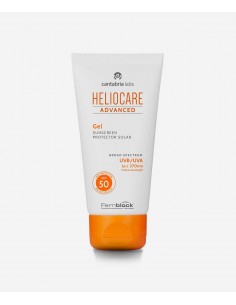
- Heliocare, recognised for combining advanced sun protection with powerful antioxidant technology.
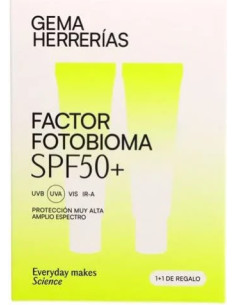
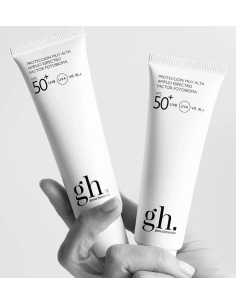
- Gema Herrerías, an excellent choice for those who want to integrate daily sun protection into a complete skincare routine.
There is no universal "best sunscreen". The ideal product is simply the one that matches your skin's needs and that you'll happily wear every day.
Sunscreen: The Best Anti-Ageing Product You'll Ever Use
Many people invest in vitamin C serums, retinol, peptides or hyaluronic acid to maintain youthful-looking skin, yet overlook the single most important anti-ageing product available: sunscreen.
Scientific research consistently shows that a significant proportion of visible skin ageing is caused by cumulative sun exposure. Daily sunscreen use helps prevent wrinkles, pigmentation, loss of firmness and uneven skin tone.
In other words, even the most advanced skincare routine cannot deliver its full potential if the skin remains unprotected from UV radiation.
Frequently Asked Questions
Should I Wear Sunscreen During Winter?
Yes. This is especially important in the Canary Islands, where UV radiation remains relatively high throughout most of the year.
Can I Use the Same Sunscreen for My Face and Body?
Although you can, facial sunscreens are usually formulated with lighter textures and ingredients specifically designed for the more delicate skin of the face.
Do Children Need a Different Sunscreen?
Yes. Children should always use sunscreens specifically formulated for their skin and follow the advice of healthcare professionals.
Does Sunscreen Expire?
Yes. Always check both the expiry date and the recommended period after opening to ensure the product continues to provide effective protection.
Conclusion
Choosing the right sunscreen involves much more than selecting the highest SPF. Your skin type, preferred texture, daily routine and individual skincare needs all play an important role in finding the most suitable product.
Making sunscreen part of your everyday skincare routine is one of the most effective ways to prevent premature ageing, reduce pigmentation and maintain healthy skin for years to come.
At Farmacia Golf del Sur, our pharmacy team will be happy to help you choose the sunscreen that best suits your skin. Whether you live in Tenerife or are visiting the island on holiday, we can provide personalised advice to help you enjoy the sun safely.
Explore our range of premium sunscreens and dermatological skincare products online, or visit us in-store for professional, personalised recommendations.