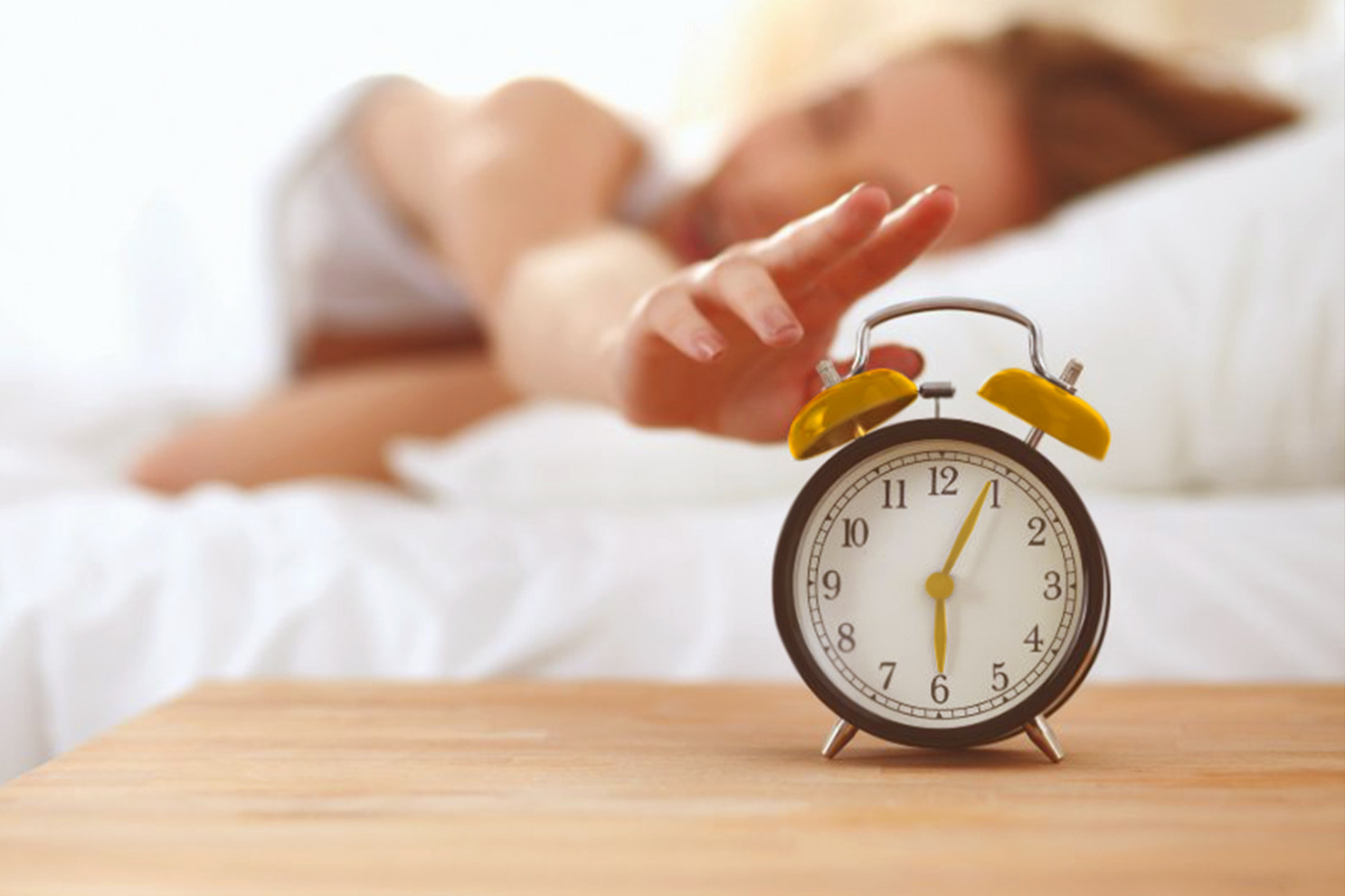
If come September you're struggling to get going in the mornings, running out of steam by five in the afternoon, or you've just picked up a laziness you didn't have in July, it's not just you. And if you're in South Tenerife, there's an extra reason almost no "back to routine" article mentions.
Why does it hit harder here than elsewhere?
The usual explanation (fewer daylight hours, the clock change, your body out of sync) carries a lot less weight in the Canary Islands. Being in a different time zone to mainland Spain, and at a latitude where daylight hours barely shift between seasons, that biological excuse doesn't really hold up here. What we actually see over the counter is something else: you're surrounded by tourists still on holiday while you're forced back into fixed hours. You walk past the same beach on your way to work that you were sunbathing on with a towel under your arm three weeks ago. That contrast drags you down more than any clock ever could.
What we see repeating every September isn't so much people asking about immune-support vitamins, but something more specific: tiredness. That "I've got no energy" feeling that a nap doesn't fix.
How to get your energy back when routine kicks in
- Start with sleep, not supplements. Before reaching for a bottle, check whether you're actually sleeping the same hours you did over summer. Where it usually goes wrong: still going to bed at holiday time while the alarm goes back to its usual hour. The gap builds up within days.
- Try to have your main meal before 3pm. Heavy meals in the late afternoon are a direct cause of the energy dip that gets mistaken for "back-to-routine tiredness". Where it usually goes wrong: eating late and heavy because "that's how it's done in summer", then not understanding why the afternoon slump hits so hard.
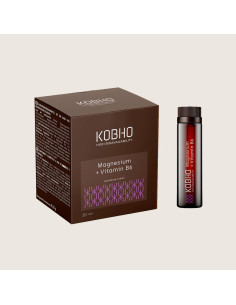
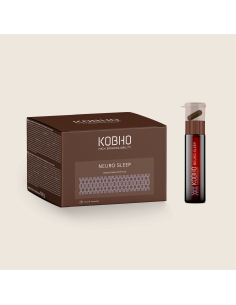
- If you need an extra boost, there are options built for exactly this. In-store we work with ranges like IVB Wellness Lab and KOBHO for energy support through seasonal changes: we can point you towards the right one depending on whether the tiredness is more physical or more about focus and mood. Where it usually goes wrong: relying on caffeine all day instead of something that sustains energy across the whole day.
- Give it a week before you worry. The body takes a few days to adjust to any schedule change, and September brings several at once: work, meals, sleep. Where it usually goes wrong: expecting to feel "back to normal" on the first Monday and getting frustrated when it doesn't happen.
Signs it's no longer just "back to routine"
September tiredness has a shelf life: within a week or two it should be easing off, not getting worse. Here are the signs worth keeping an eye on:
- Tiredness that doesn't improve even with good sleep. If you're getting your eight hours and still dragging yourself around, the problem isn't your schedule any more.
- Mood changes that stick around. A day or two of feeling flat about going back to routine is normal. Irritability or low mood settling in for weeks isn't.
- Extra physical symptoms. Dizziness, frequent headaches or loss of appetite aren't "September tiredness" — they're something else.
If any of this sounds familiar beyond two or three weeks, don't write it off as normal for the time of year: speak to your GP. We can help with the day-to-day support here at the pharmacy, but tiredness that drags on deserves a proper look.
Frequently asked questions
How long does back-to-routine tiredness normally last?
Between one and two weeks in most cases, while your body readjusts to new sleep and meal times. If it drags on beyond three weeks without improving, it's no longer just "back to routine".
Is it worth taking something if the tiredness is more mental than physical, just about being back at work?
Yes. Even when the cause is more psychological than physical, your body feels it just the same: sleeping worse and eating later than usual lower your actual energy, not just how you perceive it. The first step is always sleep and routine; supplement support comes after that, not instead of it.
Why don't the Canary Islands feel the "less daylight" effect other articles mention?
Because the swing in daylight hours between summer and winter is much smaller here than on the mainland, and the time zone works in your favour: there's relatively more light in the afternoon relative to the clock. What actually weighs on you in South Tenerife is something else entirely: still seeing tourists and beach life all around while you're the one heading back to routine.
Nearby? Pop into the pharmacy and we'll talk you through what fits you best: not everyone needs the same thing to get through this September slump.