Shopping Cart
There are no more items in your cart

Delivery only to the Canary Islands
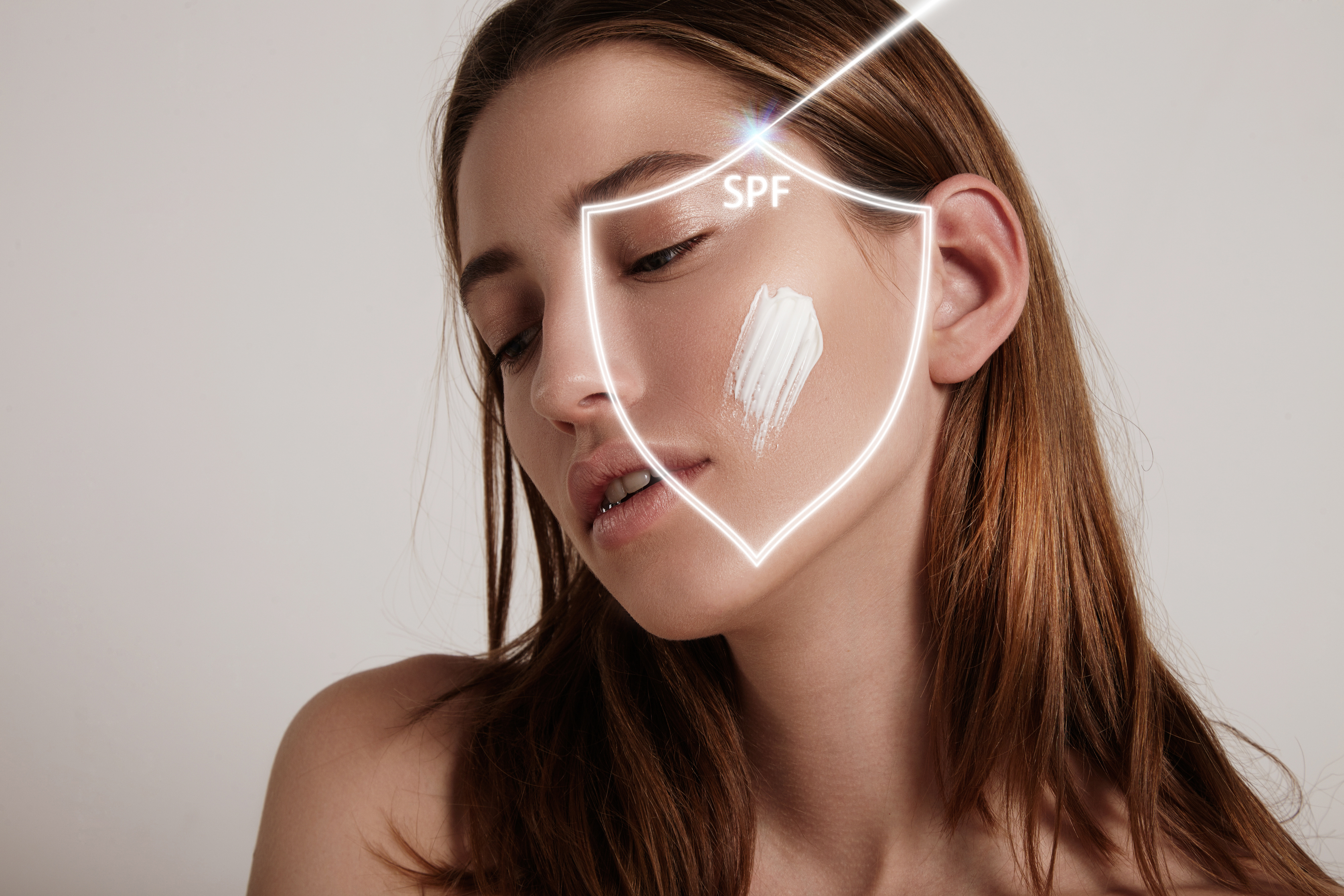
Summer is one of the most enjoyable times of the year. We spend more time outdoors, relax on the beach or by the pool, and take advantage of the warm weather to enjoy countless activities in the sunshine. However, while we enjoy our holidays, our skin is working hard to cope with multiple environmental aggressions.
Sun exposure, high temperatures, seawater, swimming pool chlorine, wind and changes to our daily routine all affect the skin. By the end of summer, it's common to notice dehydration, dullness, tightness, uneven texture or the appearance of new dark spots.
Many people assume these changes are inevitable or believe that their skin will naturally recover over time. In reality, the end of summer is one of the best opportunities to begin a restorative skincare routine that helps repair accumulated damage while preventing premature ageing.
In this guide, the team at Farmacia Golf del Sur explains how to restore hydration, firmness and radiance after summer, which skincare ingredients offer the greatest benefits, and how to build an effective routine that helps your skin recover its healthy appearance.
Although a tan is often associated with healthy-looking skin, it is actually the skin's natural defence mechanism against ultraviolet radiation. Throughout the summer months, your skin is constantly working to protect itself from UV damage.
At the same time, several environmental factors contribute to weakening the skin barrier:
The result is often skin that feels drier, less comfortable and less able to retain moisture.
What's more, much of the damage caused by ultraviolet radiation is not immediately visible. Pigmentation, fine lines and loss of radiance often become noticeable weeks or even months after the summer has ended.
Not everyone experiences the same symptoms after summer. Skin type, age and the amount of sun exposure all influence how the skin responds.
The most common signs include:
The good news is that, with the right skincare routine and carefully selected active ingredients, most of these concerns can improve significantly.
Before introducing intensive treatments or resurfacing ingredients, it is essential to repair the skin's protective barrier.
The skin barrier acts as a natural shield, preventing excessive water loss while protecting against environmental aggressors. After summer, it is often weakened and requires gentle care to recover.
Using harsh cleansers may further damage the skin barrier and increase dryness or irritation.
Instead, choose gentle facial cleansers that remove impurities while respecting the skin's natural balance and maintaining hydration.
Hydration should be the first priority after summer.
When skin loses moisture, it also loses elasticity, comfort and natural radiance. Even oily skin can become dehydrated after prolonged sun exposure.
Some of the most beneficial hydrating ingredients include:
These ingredients help replenish moisture, strengthen the skin barrier and immediately improve skin comfort.
Well-hydrated skin also responds much better to the active treatments introduced later in the routine.
After summer, it is common for the complexion to appear dull and uneven. Excessive UV exposure promotes the formation of free radicals, unstable molecules that accelerate skin ageing and reduce natural radiance.
Antioxidants play a fundamental role in neutralising this oxidative stress.
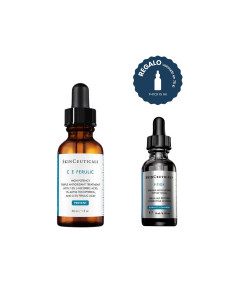
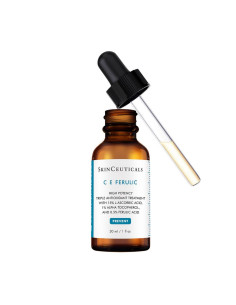
Among them, Vitamin C remains one of the most scientifically supported ingredients, helping brighten the complexion, stimulate collagen production and improve overall skin tone.
Other powerful antioxidants include:
Adding an antioxidant serum to your morning routine helps restore healthier, brighter-looking skin while providing additional environmental protection.
One of the most common skincare concerns after summer is the appearance of pigmentation or the worsening of existing dark spots.
These changes often become more noticeable as your tan gradually fades and your natural skin tone returns.
Treating pigmentation early generally leads to better results, as recently developed spots usually respond more effectively than those that have been present for years.
Some of the most widely used brightening ingredients include:
Regardless of the treatment chosen, daily broad-spectrum SPF protection remains essential. Without consistent sun protection, pigmentation can easily return despite using effective skincare products.
Once your skin has regained hydration and the skin barrier has recovered, it is time to encourage natural cell renewal. During summer, many people temporarily stop using active ingredients such as retinoids or exfoliating acids because of increased sun exposure. The end of summer is therefore the ideal time to reintroduce these treatments gradually.
Supporting cell renewal helps improve skin texture, soften fine lines, even out skin tone and maximise the effectiveness of the rest of your skincare routine.
Some of the most commonly used ingredients include:
These active ingredients should always be introduced gradually, starting once or twice a week and increasing frequency as your skin adapts.
If you have never used retinoids or exfoliating acids before, seek advice from your pharmacist or dermatologist to choose the most appropriate product and concentration.
You don't need dozens of products to repair your skin after summer. A simple, consistent routine tailored to your skin's needs will usually deliver better results than using multiple products without a clear purpose.
Consistency is the key to success. There are no miracle products capable of reversing months of sun exposure overnight, but a well-designed skincare routine can visibly improve your skin within just a few weeks.
One of the biggest skincare mistakes people make is putting their sunscreen away once summer ends. Ultraviolet radiation remains present throughout the year and continues to be one of the leading causes of premature skin ageing.
If you're treating pigmentation or using retinol or exfoliating acids, daily sunscreen becomes even more important.
Applying a broad-spectrum sunscreen every morning helps maintain the results of your skincare routine while preventing new pigmentation from developing.
Every skin is different, but several ingredients are consistently supported by scientific evidence and are widely recommended for repairing skin after prolonged sun exposure.
Helps brighten the complexion, protects against oxidative stress and stimulates collagen production.
Provides intense hydration while improving skin elasticity and comfort.
Strengthens the skin barrier, helps regulate excess oil production and improves uneven skin tone.
One of the most effective anti-ageing ingredients available. It stimulates skin renewal while improving wrinkles, pigmentation and overall skin texture.
Essential for restoring the skin barrier and reducing transepidermal water loss.
Combining these ingredients in a routine tailored to your individual skin concerns allows gradual but long-lasting improvements while maintaining healthy skin.
At Farmacia Golf del Sur, we work with carefully selected dermocosmetic brands recognised for their scientific research, effectiveness and skin tolerance.
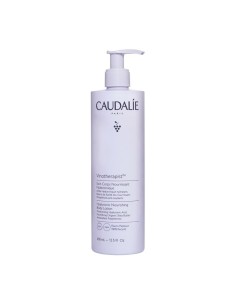
Depending on your skin's needs, your routine may include products from brands such as:
The goal is not to choose one particular brand, but to select products that genuinely match your skin's individual needs.
Trying to repair your skin too quickly often leads to mistakes that slow down recovery instead of improving it.
The most common include:
Your skin needs time to regenerate. A consistent, well-balanced routine will always deliver better long-term results than aggressive short-term treatments.
Ideally, you should begin as soon as your holiday ends or when prolonged sun exposure decreases. There is no need to wait until autumn to start caring for your skin.
Yes. As long as your skin is not irritated, retinol can be gradually reintroduced while maintaining good hydration and daily SPF protection.
It depends on their cause and depth. Many superficial pigmentation concerns improve significantly with skincare, while deeper pigmentation may require dermatological treatments.
Many people notice the first improvements after several weeks of consistent skincare. Complete recovery depends on your skin's condition and the treatments used.
The end of summer offers the perfect opportunity to help your skin recover from the cumulative effects of sun exposure, heat and environmental stress.
With a routine based on gentle cleansing, deep hydration, antioxidants, controlled skin renewal and daily sun protection, your skin can gradually regain its radiance, elasticity and healthy appearance.
At Farmacia Golf del Sur, our pharmacy team can help you build a personalised skincare routine based on your skin type, your goals and the products best suited to your needs. Whether you live in Tenerife or are visiting the island, we'll be happy to offer expert advice to keep your skin looking its very best.
Discover our selection of premium dermocosmetic products in our online store or visit our pharmacy for personalised professional skincare advice.